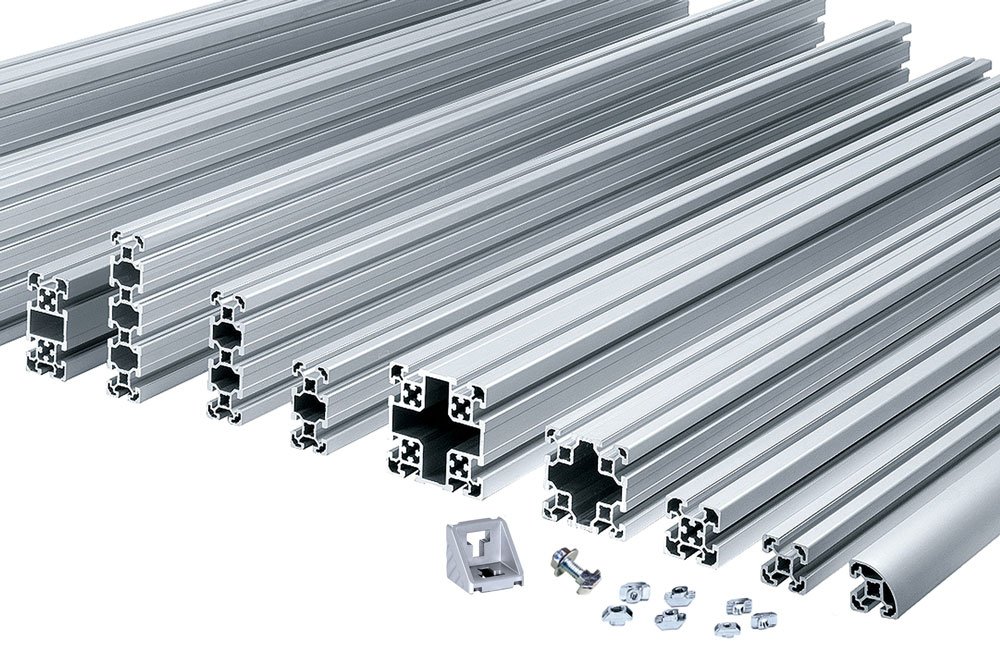


Mechanical performance inside modular framing systems depends heavily on connection integrity rather than profile appearance alone. In industrial structures, automation cells, machine frames, and material handling systems, shear strength directly affects stability, load capacity, and long-term reliability. Understanding how forces travel through extruded aluminum T slot connections helps engineers and manufacturers design safer, stronger, and more efficient structural systems across modern operations.
Connection Design Often Determines Whether A Structure Maintains Long-Term Stability
Many modular structures fail at connection points rather than through profile collapse. Even strong framing profiles can lose rigidity when connectors experience excessive shear stress under repeated operational loading. Poor joint design may lead to fastener movement, frame shifting, or gradual alignment problems across production systems.
For many engineers, MiniTec Aluminum Framing systems provide more predictable structural performance because the connection hardware is designed specifically for modular T slot extrusion assemblies. Properly engineered fasteners help distribute loads evenly throughout the structure while reducing stress concentration at individual joints. MiniTec extruded aluminum framing also supports scalable reinforcement strategies when additional rigidity becomes necessary for heavier industrial applications.
Shear Forces Increase Rapidly In Dynamic Industrial Environments
Static loads rarely create the biggest structural concern in modular framing systems. Dynamic forces generated by robotics, conveyors, machine vibration, acceleration, and repeated movement cycles place significantly higher stress on structural joints. Those operational forces constantly transfer energy through frame connections during daily production.
In many automation systems, T slot aluminum extrusion structures must handle both vertical and lateral loading simultaneously. Engineers evaluating aluminum framing material often analyze operational vibration, machine acceleration, and repetitive movement patterns before selecting connection hardware. Extruded aluminum T slot systems that experience frequent directional changes typically require stronger fastening methods and additional reinforcement to maintain long-term connection stability under demanding industrial conditions.
Fastener Selection Directly Affects Load Distribution Across Modular Frames
Not all connection hardware performs equally under shear loading. The strength of a modular frame depends heavily on how effectively fasteners transfer force between adjoining profiles without creating excessive stress concentration at the joint itself. Weak hardware choices may reduce the overall structural capability of the system.
Because of this, engineers using MiniTec extruded aluminum framing often prioritize fastener compatibility during frame development. T slot extrusion systems designed with appropriate anchor fasteners, joining plates, and gusset reinforcement distribute operational loads more evenly across the structure. Aluminum framing kit components also simplify the process of selecting connection hardware specifically engineered for the intended structural demands and operational environment.

Joint Reinforcement Becomes Critical In High-Load Structural Zones
Certain areas within modular structures naturally experience higher stress concentrations than others. Gantry supports, conveyor transitions, robotic arm mounts, and elevated load-bearing sections often generate increased shear force at connection points during operation. Those zones typically require additional structural attention during system design.
Meanwhile, MiniTec Aluminum Framing systems allow engineers to strengthen high-load areas without redesigning the entire structure. T slot aluminum extrusion profiles support modular reinforcement methods such as gusset plates, corner brackets, dual-profile connections, and internal fastener systems. Extruded aluminum T slot designs also allow reinforcement upgrades later if operational loads increase beyond the original system requirements.
Frame Geometry Plays A Major Role In Connection Performance
Connection strength depends not only on hardware but also on overall frame geometry. Poorly balanced layouts can transfer unnecessary stress into specific joints, increasing the likelihood of fatigue-related movement or structural instability over time. Load direction and force distribution remain essential factors in modular structural analysis.
For many industrial applications, aluminum framing material performs best when structural loads distribute evenly throughout the entire framework. Engineers designing with MiniTec extruded aluminum framing often focus on symmetrical layouts, balanced support spacing, and efficient load pathways to reduce concentrated shear stress. T slot extrusion systems with optimized geometry typically maintain stronger long-term performance under repetitive industrial operating conditions.
Vibration Exposure Gradually Weakens Poorly Designed Connections
Industrial equipment continuously generates vibration during operation. Over time, repeated vibration cycles can loosen improperly secured fasteners, reduce clamping force, and increase movement within modular framing systems. Even small amounts of connection movement may eventually affect alignment accuracy and structural reliability.
In many production environments, T slot aluminum extrusion systems require periodic inspection to maintain connection integrity. Engineers working with MiniTec Aluminum Framing frequently incorporate locking hardware, reinforced fasteners, and vibration-resistant connection strategies into system designs. Aluminum framing kit systems built with proper vibration management techniques often maintain structural consistency far longer under continuous operational stress.
Strong Modular Systems Depend On More Than Profile Strength Alone
Structural reliability within modular framing systems comes from the combined performance of profiles, fasteners, geometry, reinforcement, and load management strategies. Focusing only on profile size without evaluating connection performance can create weaknesses that reduce long-term operational stability.
Across industrial automation and manufacturing environments, MiniTec extruded aluminum framing continues gaining attention because it supports modular structural systems engineered for both flexibility and mechanical reliability. Proper shear strength analysis helps engineers build safer, more durable T slot extrusion structures capable of supporting demanding operational requirements without sacrificing adaptability or future scalability. Minitec Solutions provides modular aluminum framing material and connection solutions tailored for modern manufacturing and structural engineering environments.