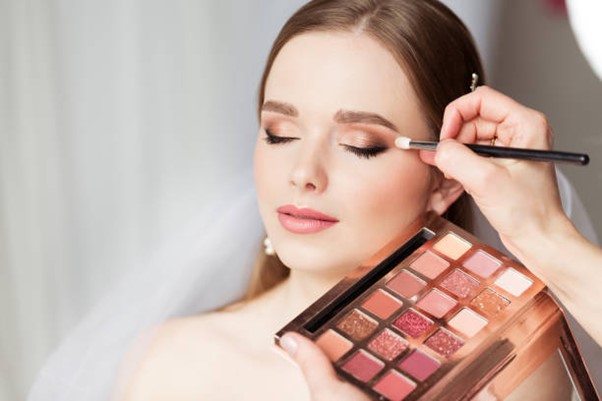


Investing in a good eyeshadow palette is exciting—but what often follows is confusion about how to make the most of every shade. Many people find themselves using just two or three favourite colours while the rest remain untouched. The truth is, every shade in a palette has a purpose, and with a bit of guidance, you can unlock endless possibilities to create everything from subtle daytime looks to bold party-ready glam.
Understanding Your Eyeshadow Palette
Before diving in, take a moment to observe your palette. Most eyeshadow palettes are thoughtfully designed with a mix of light, medium, and dark shades, along with a variety of finishes—matte, shimmer, satin, and metallic. Understanding the role of each shade can help you create harmonious looks and prevent over-application.
Lighter shades typically serve as base colours or highlighters, medium tones are perfect for the lid or transition areas, and darker shades are great for adding depth or lining the eyes.
Start with a Base Shade
Begin your eye makeup by applying a neutral or light matte shade all over your lid. This creates a smooth base and helps the other colours blend more easily. A base also balances out any discolouration on the lids and enhances the payoff of the other shades.
In most eye makeup products, this is often one of the lightest matte tones in the palette.
Use Medium Tones for Transition
Medium shades are perfect for the crease or upper lid. Use a fluffy brush to apply a medium-tone colour into your crease in a windshield-wiper motion. This softens the edges and adds dimension to the eye, helping darker shades blend seamlessly.
This is also the stage where you can start introducing warmer or cooler tones, depending on the look you’re going for.
Pop Colour on the Lid
The main lid shade is where you can get creative. Shimmery or metallic tones work well here, especially if you want to brighten up the eyes. Use your finger or a flat brush to pack the pigment onto the centre of your lid.
Feel free to rotate between different lid shades on different days—this is where most of your palette’s colour variety comes in handy.
Deepen the Outer Corner
Darker matte shades are best used in the outer corner or crease to define the eyes and create depth. Apply sparingly and blend well to avoid harsh lines. This step transforms a soft daytime look into something more dramatic, making it perfect for evening wear.
Use a small, dense brush to control placement and intensity.
Highlight and Line
The lightest shimmer or satin shade in your palette works beautifully as a brow bone or inner corner highlight. This brings light to the eyes and makes them appear more awake. You can also use the darkest shade in the palette as a liner by applying it along the upper and lower lash lines with a thin angled brush.
This trick works especially well for those who prefer powder over liquid liners in their eye makeup products.
Mix and Match for New Looks
Once you’re comfortable using basic combinations, start mixing different tones and textures. Pair warm browns with golds, cool greys with silvers, or even try a pop of colour on the lower lash line. With a bit of experimentation, you’ll find new ways to use every single shade in your eyeshadow palettes.
Final Thoughts
Using every shade in your eyeshadow palettes may seem daunting at first, but with a little practice and creativity, it becomes a fun part of your beauty routine. From soft everyday neutrals to vibrant, eye-catching combinations, the right eye makeup products can help you make the most of every colour—and keep your looks fresh and exciting.