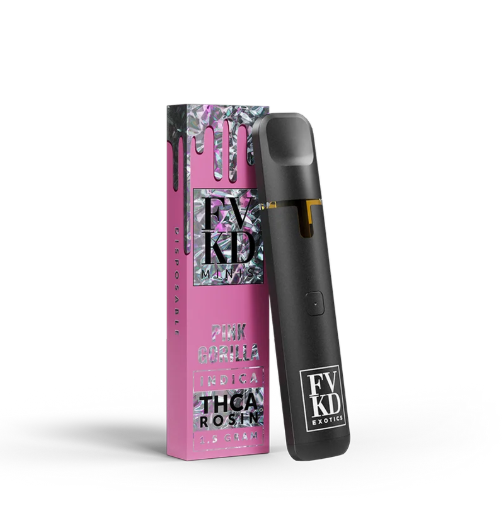


Travelling with a disposable vape requires more preparation than simply placing it in a bag. Transport rules, airline policies, battery restrictions and local laws can all affect whether a device can be carried legally. The rules may also differ between domestic and international journeys. Cannabis-related products require additional attention because a product that is permitted in one location may be restricted in another. Before making travel plans, consumers should check the relevant regulations rather than relying on assumptions or advice from other travellers.
Why Do Travel Rules Matter for Disposable Vapes?
Disposable vapes contain electronic components, including batteries, which means they may be subject to transport safety requirements. Airlines and transport operators can have specific rules about where electronic devices may be carried and whether they can be used or charged during a journey.
Cannabis-related products introduce a separate legal consideration. Their possession, transport and import may be restricted even when similar products are available legally at the departure point. Anyone considering travelling with an fvkd exotics disposable vape should therefore check two separate areas:
- Transport requirements: Rules covering electronic devices and lithium batteries.
- Product legality: Laws governing the contents of the product at the departure point, destination and any transit locations.
Meeting one requirement does not automatically mean the other has been satisfied.
Can You Take a Disposable Vape on a Flight?
Airline and aviation rules commonly place restrictions on electronic smoking devices because of their batteries. In many aviation systems, passengers must carry permitted vape devices in cabin baggage rather than checked baggage. However, exact requirements can vary by airline, country and route. Before travelling, check the airline’s current policy and the relevant aviation authority’s instructions.
Pay particular attention to:
Cabin and Checked Baggage Rules
Some airlines prohibit disposable vapes in checked luggage because of battery-related fire risks. Where carriage is permitted, the device may need to remain in the passenger cabin under specified conditions. Do not assume that the rules are identical across airlines. A connecting flight may involve another carrier with different requirements.
Use and Charging Restrictions
Airlines generally restrict the use of electronic cigarettes and similar devices during flights. Charging them may also be prohibited. Follow crew instructions and the airline’s published policy. Never attempt to activate or charge a vape during a flight unless the operator explicitly permits it.
Battery Safety
Damaged batteries can present a safety risk. Do not travel with a device that is swollen, leaking, unusually hot or visibly damaged. Follow the airline’s guidance for handling electronic devices with battery problems.
Why Destination Laws Are More Important Than Product Availability
A product being available for purchase in one location does not mean it can legally be carried into another. Cannabis and hemp-derived product regulations vary widely between countries and jurisdictions.
A traveller may face restrictions involving possession, importation, exportation or personal use. These rules can apply even when the product is sold openly in the departure location.
Before considering travel with an fvkd exotics disposable vape, verify the laws that apply at every stage of the journey:
- The location where the journey begins.
- Any country or state where the traveller has a connection.
- The final destination.
- Any location where the traveller plans to stop or stay.
International journeys require particular caution. Some countries impose strict controls on cannabis-related products, including products that may contain hemp-derived cannabinoids. Do not assume that a product’s label or commercial availability makes it acceptable for international transport.
What Should You Know About the Pink Gorilla Strain?
Pink Gorilla is a strain name that may appear in cannabis-related product discussions and listings. However, a strain name does not establish the legal status of a particular product.
When researching the pink gorilla strain, consumers should distinguish between the variety being referenced and the finished product being sold. A flower product, concentrate and vape formulation may have different compositions and regulatory classifications.
The name alone does not confirm:
- The exact cannabinoid content.
- The ingredients in a finished formulation.
- The presence or concentration of particular compounds.
- Whether the product is permitted in a specific destination.
- Whether it can legally be carried across a border.
If a product listing refers to the pink gorilla strain, check its full description and any available product-specific documentation. Do not rely on a strain name to determine whether the item can be transported legally.
How Should You Check Airline and Airport Policies?
Airline policies and airport security requirements are not always identical. A device may be subject to restrictions relating to battery capacity, packaging, storage or permitted baggage.
Before departure, use official sources rather than informal travel discussions.
Check the airline website: Look for its electronic cigarette, battery and restricted-item policies.
Review aviation authority guidance: Confirm the rules applicable to the country and route.
Check airport security requirements: Some airports may have additional screening procedures or restrictions.
Contact the airline if information is unclear: Ask about the exact type of device rather than assuming that a general electronic-device policy covers it.
It is also important to remember that airline permission to carry an electronic device does not override laws governing the contents of that device.
Common Travel Mistakes to Avoid
Travellers can make avoidable mistakes when they treat disposable vapes like ordinary personal electronics.
Here are some assumptions worth avoiding:
- Assuming domestic rules apply internationally: Different countries may regulate the same product differently.
- Relying only on airline approval: Airline permission does not establish that the product itself is legal.
- Ignoring transit locations: Connecting countries may have their own import and possession restrictions.
- Assuming all disposable vapes have the same battery: Device specifications can differ.
- Carrying damaged equipment: A damaged or swollen battery should not be treated as safe for travel.
- Depending on online product descriptions: A seller’s description is not a substitute for official legal guidance.
If the legal position is unclear, the safest decision is not to carry the product until the relevant authorities or qualified sources have clarified the rules.
A Travel Checklist Before Departure
A short checklist can help travellers identify important issues before leaving:
| What to check | Why it matters |
| Destination laws | Establishes whether possession or import is permitted |
| Transit regulations | Identifies restrictions during connecting journeys |
| Airline policy | Clarifies electronic-device and battery requirements |
| Airport security rules | Helps avoid problems at screening |
| Device condition | Identifies visible battery or physical damage |
| Product documentation | Helps identify the exact product and its contents |
Keep in mind that this checklist is for research and preparation. It does not guarantee that a product can be carried or used during a journey.
Conclusion
Travelling with a disposable vape involves more than checking baggage allowances. Electronic-device rules, airline policies, battery safety and local cannabis regulations all need separate consideration. International travel can be particularly complicated because restrictions may change between departure, transit and destination locations. FVKD Exotics is a name consumers may encounter when researching disposable vape products, but no brand or product description should replace official travel and legal guidance.
Disclaimer: Vape and cannabis-related products are intended only for adults aged 21 and older where legally permitted. Laws vary by state, city and country. Some locations impose stricter restrictions, including bans on possession or importation. Always check current local laws, destination regulations and airline policies before travelling.