LATEST ARTICLES

Outsource Payroll for Construction Teams Managing Complex Award Rates

0

Construction payroll involves a level of complexity most other industries simply don’t face, multiple award rates, site allowances, and variable crew schedules, all needing to be calculated correctly every single pay run. It’s exactly the kind of complexity that pushes many construction businesses to outsource payroll rather than manage it internally.

Why Construction Payroll Is Genuinely Different

Unlike a standard office environment with consistent hours and a single pay structure, construction crews often work across multiple sites, under different award classifications, with allowances for travel, tools, or hazardous conditions layered on top. Getting all of this correctly calculated, every pay cycle, for every worker, is a genuinely demanding task that leaves little room for error.

Construction businesses also need to account for changing project requirements. Workers may move between sites, take on different duties, work varying shifts, or become subject to different allowances depending on the conditions involved. Payroll therefore needs to reflect what actually happened during each pay period rather than relying on a simple fixed structure.

The Risk of Getting It Wrong

Award interpretation mistakes in construction don’t just create awkward conversations with workers, they carry real compliance risk, including potential back-pay obligations and regulatory scrutiny. Given how frequently award rates and site conditions change across a construction workforce, the margin for manual error is considerably higher than in more straightforward payroll environments.

Errors can also create unnecessary administrative work. A payroll issue may require recalculations, corrections, employee communication, and additional record checks. If several workers are affected by the same mistake, the time required to resolve it can increase quickly.

How Outsourcing Addresses This Complexity

When construction businesses outsource payroll, they gain access to specialists who track award rate changes and site-specific conditions as a core part of their job, rather than as an occasional side task squeezed in around other responsibilities. This dedicated focus considerably reduces the risk of misclassification or miscalculation slipping through unnoticed.

An experienced payroll provider can also establish a repeatable process for collecting timesheets, reviewing payroll information, applying relevant rates, and completing each pay run. This creates consistency even when the workforce itself changes from project to project.

Managing Employee Timesheets and Site Data

Accurate payroll starts with accurate information. Construction businesses may receive timesheets from different supervisors, project managers, or sites, making it important that working hours are recorded consistently.

A structured payroll process can help ensure submitted hours are reviewed before processing. Missing information, unusual overtime, or discrepancies between recorded hours and expected schedules can be identified before payroll is finalised.

This is particularly useful for businesses managing several active projects at once. Instead of relying on one person to manually gather and interpret information from every site, a dedicated process provides a clearer way to manage payroll inputs.

Handling Overtime, Penalties and Allowances

Overtime and penalty rates can make construction payroll considerably more complicated. The correct calculation may depend on when the work was performed, the employee’s classification, the applicable award, and the specific conditions under which the work took place.

Site allowances can introduce another layer of complexity. Travel, tools, accommodation, location-based conditions, and other applicable payments need to be recorded and applied appropriately.

This is one of the strongest reasons businesses choose to outsource payroll. Rather than expecting an internal administrator to keep track of every variation alongside their other duties, the process can be handled by specialists whose responsibilities are centred on payroll accuracy.

Where Tax Preparation Ties In

Payroll accuracy throughout the year also simplifies broader compliance work later. Construction businesses that pair payroll outsourcing with outsource tax preparation services benefit from consistent, aligned data across both functions, reducing the reconciliation headaches that often show up at year-end when payroll and tax records don’t quite match.

Keeping payroll information organised can make it easier to prepare financial records and respond to reporting requirements. When payroll data is incomplete or inconsistent, tax preparation can become unnecessarily time-consuming because additional checks are needed to reconcile different figures.

Businesses using outsource tax preparation services should therefore consider how payroll information will be transferred and reviewed as part of the wider accounting process.

Common Payroll Challenges in Construction

A few recurring issues tend to show up specifically in construction payroll:

  • Multiple award classifications within a single workforce
  • Site allowances and travel calculations varying by location
  • Frequent changes in crew composition across projects
  • Overtime and penalty rate calculations tied to specific site conditions

These challenges become harder to manage when several projects are operating simultaneously. A reliable process needs to accommodate these variations without turning every pay cycle into a manual exercise.

Keeping Payroll Records Consistent

Payroll records should clearly show what was paid, why it was paid, and which information supported the calculation. Consistent records make it easier to resolve discrepancies, answer employee queries, and keep wage expenses aligned with accounting records. For construction businesses managing changing crews and multiple projects, maintaining accurate records can become increasingly difficult as operations grow.

Why Scalable Payroll Support Matters

A payroll process that works for a small construction team may become harder to manage as employee numbers and project sites increase. More workers bring additional timesheets, classifications, allowances, and payroll data to review. Outsourcing provides additional capacity without automatically increasing internal administrative workloads, helping businesses maintain a dependable payroll process as they grow.

What to Check Before Choosing a Payroll Provider

Construction businesses should assess more than whether a provider offers payroll processing. Industry experience is important because construction payroll involves specific requirements. Businesses should consider how a provider handles award classifications, timesheets, overtime, allowances, corrections, and payroll reporting. They should also understand how payroll information connects with wider accounting and tax processes.

Building a Reliable Payroll Process

Reliable construction payroll depends on accurate data, correct award interpretation, regular checks, and consistent recordkeeping. Whether managed internally or outsourced, a structured process reduces recurring errors and uncertainty. With the right systems and expertise in place, payroll becomes a predictable operational responsibility rather than a recurring source of administrative stress.

Conclusion

Complex award structures make construction payroll particularly challenging, with varying rates, allowances, classifications, and site-based requirements creating little room for error. Befree supports construction businesses with accurate, compliant payroll processing tailored to the sector’s specific demands. By handling payroll with dedicated expertise, Befree helps reduce administrative pressure, minimise costly errors, and ensure employees are paid correctly and on time. This gives construction businesses greater confidence in their payroll processes while allowing internal teams to focus on projects and day-to-day operations.


Honda Shuttle из Японии – автомобиль, который становится понятен после первого дня эксплуатации

0

Есть автомобили, которые производят впечатление еще до первой поездки. Honda Shuttle относится к другой категории.

С первого взгляда это обычный универсал без ярких дизайнерских решений и агрессивных линий кузова. Но стоит провести с ним хотя бы один день, как становится понятно, почему владельцы редко меняют эту модель на что-то другое.

Shuttle не пытается быть спортивным или премиальным. Он просто очень хорошо выполняет свою работу. Просторный салон, огромный багажник, надежные двигатели и невысокие расходы на содержание сделали его одним из самых удачных автомобилей для повседневной жизни. Не случайно все больше покупателей решают Хонда шаттл купить, когда начинают искать вместительную машину из Японии.

История модели

Современный Honda Shuttle появился в 2015 году как самостоятельная модель, хотя технически он тесно связан с Honda Fit.

Инженеры сохранили компактную платформу, но полностью переработали кузов. Автомобиль получил удлиненную заднюю часть, благодаря которой значительно увеличился объем багажника и улучшилась практичность.

В 2019 году Shuttle прошел рестайлинг.

Обновление коснулось дизайна передней части, светодиодной оптики, материалов отделки и электронных систем безопасности. Именно автомобили после этого обновления сегодня чаще всего встречаются на японских аукционах.

Двигатели

Honda не стала экспериментировать со сложными силовыми агрегатами и использовала проверенные временем решения.

Основной бензиновый двигатель – L15B объемом 1496 см³.

Это атмосферный четырехцилиндровый мотор семейства Earth Dreams Technology с системой i-VTEC. Его мощность составляет около 132 лошадиных сил, а цепной привод ГРМ избавляет владельца от регулярной замены ремня.

При нормальном обслуживании двигатель легко проходит 300 тысяч километров, сохраняя стабильную работу и невысокий расход масла.

Для тех, кто хочет максимально экономичный автомобиль, выпускались гибридные версии.

В основе гибридной установки находится двигатель LEB, который работает совместно с электромотором. Такая схема особенно эффективна в городе, где автомобиль часто движется на небольшой скорости.

Средний расход топлива обычно находится в пределах 3,8-4,5 литра на 100 километров.

Трансмиссии

На бензиновых модификациях используется вариатор CVT.

Коробка отличается плавной работой и хорошо подходит характеру автомобиля. При замене масла каждые 40-50 тысяч километров серьезных проблем с ней обычно не возникает даже после пробега более 200 тысяч километров.

Гибридные версии оснащаются фирменной коробкой 7DCT.

Эта трансмиссия была разработана специально для гибридной системы Honda и работает совместно с электродвигателем. Благодаря этому переключения происходят быстро и практически незаметно.

Практичность как главный аргумент

Одной из причин популярности Shuttle остается его внутреннее пространство.

При длине кузова около 4,4 метра автомобиль предлагает багажник объемом примерно 570 литров.

После складывания второго ряда появляется длинный ровный пол, позволяющий перевозить крупногабаритные вещи без использования прицепа или большого внедорожника.

В повседневной эксплуатации Shuttle одинаково удобен для поездок в супермаркет, путешествий, перевозки спортивного инвентаря или детских колясок.

Именно поэтому многие владельцы называют его одним из самых универсальных автомобилей Honda.

Комплектации

На японском рынке Shuttle выпускался в нескольких исполнениях.

Базовая версия G уже включает климат-контроль, электропакет, систему стабилизации и основные электронные помощники.

Исполнение Honda SENSING получает расширенный пакет систем безопасности, включая адаптивный круиз-контроль, автоматическое торможение и удержание автомобиля в полосе.

Комплектации Hybrid X и Hybrid Z отличаются улучшенной отделкой салона, светодиодной оптикой, мультимедийной системой, бесключевым доступом и дополнительными функциями комфорта.

Передний привод или 4WD

Большинство Shuttle имеет передний привод.

Однако на японских аукционах регулярно встречаются и версии 4WD.

Такие автомобили особенно востребованы в регионах с продолжительной зимой и плохими дорогами. Полный привод делает Shuttle более универсальным, сохраняя при этом его экономичность.

Какие автомобили сегодня продаются

Основную часть предложений составляют автомобили 2019-2022 годов.

Средний пробег большинства лотов находится в пределах 30-80 тысяч километров.

Наибольшим спросом пользуются гибридные версии с аукционной оценкой 4-4,5 балла и хорошей историей обслуживания.

При выборе автомобиля важно изучать не только фотографии, но и аукционный лист, поскольку именно он позволяет объективно оценить состояние конкретного экземпляра.

Сколько стоит Honda Shuttle

Стоимость автомобиля зависит от комплектации, типа двигателя, привода и результатов торгов.

Автомобили первых лет выпуска обычно обходятся примерно в 1,1-1,2 миллиона рублей под ключ.

Версии 2017-2018 годов чаще всего находятся в диапазоне 1,2-1,4 миллиона рублей.

Автомобили 2019-2022 годов в хорошем состоянии обычно стоят от 1,1 до 1,67 миллиона рублей под ключ.

Кому подойдет Honda Shuttle

Shuttle сложно назвать автомобилем с узкой специализацией.

Он одинаково хорошо подходит молодой семье, которая регулярно путешествует, владельцу загородного дома, человеку, работающему в городе, или тем, кто просто хочет получить максимально вместительный автомобиль без покупки большого минивэна.

Бензиновая версия станет хорошим выбором для тех, кто ценит простоту конструкции и часто ездит на дальние расстояния.

Гибрид больше подойдет тем, кто ежедневно передвигается по городу и хочет снизить расходы на топливо.

Стоит ли покупать Honda Shuttle в 2026 году

Несмотря на то что производство Shuttle завершилось, модель продолжает оставаться востребованной на японских аукционах.

Причина очевидна. Автомобиль сочетает вместительность универсала, экономичность современного гибрида, надежные двигатели и хороший уровень оснащения. При этом стоимость владения остается значительно ниже, чем у многих кроссоверов аналогичного возраста.

Если нужен автомобиль, который одинаково уверенно чувствует себя в городе, на трассе и в дальних поездках, решение хонда шаттл купить остается одним из самых рациональных вариантов среди японских универсалов. Shuttle не пытается удивлять внешностью, зато каждый день доказывает свою практичность, надежность и удобство в эксплуатации.

Outsource Payroll Without Disrupting Your Existing Processes

0

The fear of disruption stops plenty of businesses from making changes that would genuinely benefit them. Payroll, given how directly it affects staff, feels particularly risky to hand over. But a well-managed transition rarely causes the chaos people anticipate. With careful planning, experienced support and clear communication, businesses can introduce outsourced payroll while maintaining day-to-day operations, protecting employee confidence and ensuring business continuity throughout every stage of the transition.

The Fear of Disruption Holds Many Businesses Back

It’s an understandable hesitation. Payroll touches real people’s income directly, and any mistake during a transition feels far more visible and consequential than an error in, say, internal reporting. That heightened sensitivity is exactly why a careful, structured approach matters so much. Businesses often delay making beneficial operational improvements simply because they overestimate the risks involved. With appropriate preparation, most payroll transitions are completed smoothly and with very little disruption to employees or management.

Understanding Why Payroll Feels Different

Unlike many administrative functions, payroll directly affects every employee within the organisation. That visibility naturally creates additional caution, making thorough planning, accurate data management and dependable communication essential components of a successful outsourcing project.

How to Outsource Payroll Without Missing a Beat

Businesses that successfully outsource payroll without disruption typically follow a similar sequence:

  • Run the new provider in parallel with existing processes for at least one cycle
  • Cross-check the first few pay runs closely before stepping back
  • Communicate the change clearly to staff well in advance
  • Confirm data migration accuracy before going live fully

Following these steps allows businesses to identify any issues before they affect employees. Regular communication between the provider and internal stakeholders also ensures responsibilities remain clear, helping the transition progress efficiently while maintaining confidence across the organisation.

Preparation Creates a Smooth Transition

Successful payroll outsourcing rarely depends on speed. Careful planning, thorough testing and gradual implementation reduce unnecessary risks while giving everyone involved confidence that the new process is operating accurately before full responsibility is transferred.

A Smooth Transition: What It Actually Looks Like

Stage What Happens
Preparation Data gathered, systems aligned
Parallel run Old and new processes compared
Go-live Full handover, close monitoring
Settled Routine, minimal internal input

This staged approach is what keeps the switch from feeling like a single risky leap. Each phase provides an opportunity to verify information, resolve questions and build confidence before moving to the next step, ensuring operational continuity remains the highest priority throughout the process.

Why a Phased Approach Works

Breaking the transition into manageable stages allows businesses to minimise uncertainty while maintaining complete visibility over payroll activities. Gradual implementation also provides flexibility to address any unexpected issues before they affect regular payroll operations.

outsource tax return preparation

Bringing Tax Into the Conversation: Outsource Tax Return Preparation

Payroll transitions are also a natural moment to revisit related processes, and many businesses choose to outsource tax return preparation at the same time, since payroll data feeds directly into tax obligations anyway. Handling both together avoids duplicating effort across two separate transitions later. Coordinating payroll and tax services creates greater consistency, simplifies reporting requirements and improves the overall efficiency of financial administration across the business.

Aligning Payroll and Tax Processes

Managing payroll and tax preparation through coordinated systems reduces duplicated work while improving reporting accuracy. Shared financial information supports smoother compliance processes and strengthens confidence in overall financial management.

Keeping Your Team in the Loop Through the Change

Staff naturally have questions when payroll changes hands, will pay dates shift, will payslips look different, who do they contact with queries? Addressing these clearly and early removes most of the anxiety that would otherwise surface only once the change is already underway. Transparent communication also demonstrates that the transition has been carefully planned, helping employees remain confident that payroll accuracy and reliability will continue throughout the change.

Communication Builds Employee Confidence

Keeping employees informed throughout the transition helps reduce uncertainty and encourages trust in the new process. Clear answers to common questions prevent unnecessary confusion while supporting a positive experience for everyone involved.

Why Businesses Successfully Outsource Payroll Without Major Disruption

The businesses that outsource payroll most successfully tend to share one trait: they treat the transition as a managed project rather than a quick switch flipped overnight. That structured patience is almost always what separates a smooth handover from a bumpy one. Careful planning, defined responsibilities and ongoing monitoring allow organisations to maintain service quality while reducing operational risk during every stage of implementation.

A Project Approach Delivers Better Results

Viewing payroll outsourcing as a structured project encourages better planning, stronger collaboration and more consistent outcomes. This disciplined approach helps businesses complete the transition with minimal disruption while maintaining confidence across the organisation.

Pairing Payroll Changes With Outsourced Tax Return Preparation

Choosing to outsource tax return preparation alongside payroll also means both functions are built on the same underlying data from day one, rather than reconciled retroactively once discrepancies have already crept in between separately managed systems. This coordinated approach simplifies financial administration, improves reporting consistency and reduces the likelihood of duplicated work or unnecessary compliance issues arising later.

One Source of Financial Information

Using consistent payroll information across tax preparation and financial reporting improves overall accuracy while reducing reconciliation work. Shared data creates stronger operational alignment and supports more efficient financial management throughout the business.

Final Thoughts

Disruption isn’t an inevitable part of outsourcing payroll; it’s usually the result of rushing a transition that deserved more structure. A careful, staged approach protects both staff confidence and operational continuity throughout. Befree manages exactly this kind of transition for businesses, ensuring payroll changes hands without anyone noticing the seams. With experienced guidance, structured implementation and dependable ongoing support, businesses can modernise payroll operations confidently while maintaining the stability employees and management rely on every pay cycle.

How Remodeling Contractors in Huntsville AL Address Uneven Kitchen Floors

0
A kitchen floor that slopes, dips, or feels soft underfoot can affect far more than the flooring itself. Cabinets may sit out of level, countertops may develop uneven seams, and appliances may shift or fail to align cleanly with surrounding finishes. Careful floor evaluation helps remodeling contractors fix the cause before a new kitchen is built on an unstable surface. Why Uneven Floors Matter Before Cabinets Go In Cabinets depend on a flat, stable base. A small dip in the floor can throw off an entire cabinet run, leaving doors uneven, fillers oversized, or countertop edges slightly tilted. Kitchen remodelers check these conditions early because stone counters, tile backsplashes, and built-in appliances leave little room for guesswork once installation begins. Level floors also support better daily use. Refrigerators may roll forward, dishwasher doors may swing oddly, and range legs may need excessive adjustment on a sloped surface. Homeowners searching for a kitchen remodel near me often focus on finishes first, but the floor underneath can decide whether those finishes look straight and last as expected. Finding the Source of the Slope Contractors do not assume every uneven floor has the same cause. Settlement, old framing, water damage, poor past renovations, undersized joists, and layered flooring can all create different problems. A proper inspection may include checking floor height across the room, looking below the kitchen if access exists, and identifying whether the issue is cosmetic or structural. Moisture receives close attention because kitchen leaks often hide beneath cabinets, dishwashers, sinks, and refrigerators. Soft subflooring, dark stains, swollen panels, or musty odors can point to damage that needs repair before leveling begins. Experienced remodeling contractors in Huntsville AL separate surface unevenness from deeper movement so the right fix is chosen. Subfloor Repairs Come Before New Flooring Damaged subfloor cannot simply be covered with tile, vinyl, hardwood, or laminate. Weak panels may flex underfoot, loosen fasteners, crack grout, or cause new flooring to separate. Home renovation contractors remove compromised sections and replace them with properly fastened material that matches the surrounding floor height. Proper subfloor work also prepares the kitchen for heavy features. Islands, pantry cabinets, stone countertops, and large appliances add weight that must be supported evenly. Huntsville general contractors understand that a smooth finished floor starts with solid layers below, not with extra adhesive or trim used to hide movement. Leveling Compounds Help with Minor Low Spots Self-leveling underlayment can correct shallow dips and small variations when the structure underneath is sound. The surface must be cleaned, primed, and contained so the material flows only where needed. Skilled contractors near me know that prep matters because dust, gaps, or weak edges can cause the leveling layer to crack or bond poorly. Different flooring products also allow different tolerances. Large-format tile and rigid plank flooring need a flatter surface than some flexible materials. Kitchen remodelers in Huntsville AL review the flooring manufacturer’s requirements before choosing a leveling method, helping avoid problems that appear months after installation. Shimming and Framing Adjustments Solve Larger Problems Serious slopes may require more than a pourable product. Carpenters may plane high spots, sister joists, install blocking, adjust framing, or build up low areas with carefully fitted material. These repairs depend on what caused the uneven floor and how far the surface has moved from level. Structural changes should be handled with care, especially in older homes or spaces affected by moisture. Qualified remodeling contractors avoid quick fixes that only make the surface look better for a short time. Their goal is to create a floor system that supports cabinets, appliances, and foot traffic without continued shifting. Flooring Transitions Need Clean Planning Kitchen floors rarely exist alone. They often meet dining rooms, hallways, laundry areas, or living spaces, and each connection needs a safe, attractive transition. Leveling one area without considering nearby rooms can create awkward height changes or trip points. Material thickness also affects those transitions. Tile with backer board may sit higher than luxury vinyl plank, while hardwood may need feathering at doorways. Home renovation contractors plan these details before installation so the remodel feels connected to the rest of the home instead of patched together. Appliances Depend on a Stable, Level Surface Dishwashers, ranges, refrigerators, and built-in units all perform better when they sit level. An unlevel dishwasher may drain poorly, a refrigerator door may not close correctly, and a range may leave pans tilted while cooking. Small floor errors can become daily frustrations in a finished kitchen. Appliance openings also need consistent measurements from floor to countertop. If the floor rises or drops across the room, a dishwasher may fit tightly on one side and leave a visible gap on the other. Huntsville general contractors coordinate floor corrections with cabinet and appliance plans to prevent those mismatches. Better Floor Prep Protects the Whole Remodel Uneven floors can make even high-end materials look poorly installed. Straight cabinet lines, tight backsplash joints, smooth appliance panels, and level countertops all depend on floor preparation done before finishes arrive. That work may not stand out in photos, but it shapes how the kitchen performs for years. Hoover General Contractors can help evaluate uneven kitchen floors during remodel planning and determine whether the issue calls for subfloor repair, leveling, framing work, or transition adjustments. Their residential and commercial kitchen remodeling experience supports kitchens that feel solid, look aligned, and function properly from the ground up.

Estate Planning Lawyers in Guntersville AL and the Mechanics of Probate Avoidance

0
A court file can turn a private family transfer into a slow public process. Probate avoidance works best when legal ownership, beneficiary directions, and trust documents all point in the same direction. Careful planning helps families reduce delays while keeping control over who receives property and how it is handled. How Revocable Living Trusts Move Assets Outside Probate Revocable living trusts are common probate avoidance tools because they hold assets during life and continue after death. The person who creates the trust can usually serve as trustee, manage the property, change instructions, and name successor trustees. After death, the successor trustee can follow the trust terms without opening a standard probate estate for assets already titled in the trust. Funding makes the difference. A trust that never receives the house, bank account, or investment account may not avoid probate for those assets. Estate planning lawyers often review deeds, assignments, account registrations, and beneficiary forms to make sure the trust actually controls what it is supposed to handle. Why Beneficiary Designations Need More Attention Than People Expect Beneficiary designations can transfer life insurance, retirement accounts, payable-on-death bank accounts, and transfer-on-death investment accounts outside probate. These forms usually override instructions in a will, which makes them powerful but easy to overlook. A divorced spouse, deceased beneficiary, minor child, or missing backup name can create problems the family did not expect. Regular reviews help keep these forms aligned with the full estate plan. Estate planning attorneys may check whether a trust should be named, whether tax consequences apply, and whether beneficiary shares match the person’s current wishes. Searching for an estate planning attorney near me often starts after a family discovers that an old form controlled a major account. Joint Ownership Works Only When the Title Says Enough Joint ownership can avoid probate if the title includes survivorship rights. Alabama law states that a joint tenant’s interest does not automatically pass to the survivor unless the instrument clearly states right of survivorship or similar language showing that intent. That wording matters for real estate, vehicles, and certain financial accounts. A deed that lacks survivorship language may leave a deceased owner’s share passing through probate instead of directly to the surviving owner. Guntersville estate planning attorneys can review deeds and titles before families rely on joint ownership as their main transfer method. Pour-Over Wills Catch Loose Ends but Do Not Avoid Court Alone A pour-over will works with a trust by directing leftover probate assets into the trust after death. It acts as a safety net for property that was forgotten, recently acquired, or never retitled. The problem is simple: assets passing under the pour-over will still usually go through probate before they reach the trust. Useful plans treat the pour-over will as backup, not the main strategy. Estate planning lawyers near me may recommend periodic funding checks so fewer assets depend on the will. This keeps the trust active and reduces the chance that court administration becomes necessary for property that could have been transferred earlier. Real Estate Transfers Require Careful Deed Planning Real estate often causes the biggest probate issues because families may own a home, lake property, rental property, or land in more than one county. Deeds must be drafted and recorded correctly, and ownership changes can affect taxes, mortgages, creditor exposure, Medicaid planning, and family control. Alabama does not treat every informal promise or family understanding as a valid transfer. Survivorship deeds may help certain married couples or co-owners, but they are not right for every situation. Trust ownership can offer more detailed instructions for sale, maintenance, occupancy, and distribution. Estate planning attorneys in Guntersville AL often compare these options based on the property type and the family’s long-term goals. Small Estate Procedures Are Shortcuts, Not Full Planning Alabama provides a summary distribution process for certain small estates, allowing a surviving spouse or distributee to seek personal property without full administration when statutory requirements are met. This shortcut can help in limited cases, but it does not replace a coordinated probate avoidance plan. Eligibility depends on estate size, asset type, timing, and other legal conditions. Real estate and larger estates often need different handling. Estate planning lawyers can explain why relying on a small-estate option may leave families with uncertainty, especially when accounts, titles, and beneficiary forms have not been reviewed in advance. Probate Avoidance Should Still Protect Beneficiaries Avoiding probate should not mean giving assets away without guardrails. Direct beneficiary designations may transfer property quickly, but they can also give large sums to young adults, people with creditor problems, or beneficiaries receiving government benefits. Trust planning can add timing, oversight, and spending rules while still reducing court involvement. Better plans think beyond speed. Estate planning attorneys may add special needs language, age-based distributions, successor trustees, and asset protection terms so beneficiaries receive support without unnecessary risk. Holliman & Holliman helps families in Guntersville review probate avoidance mechanics with attention to Alabama law, property titles, beneficiary forms, and practical family needs.

7 Factors That Separate Reliable Machining Companies

0
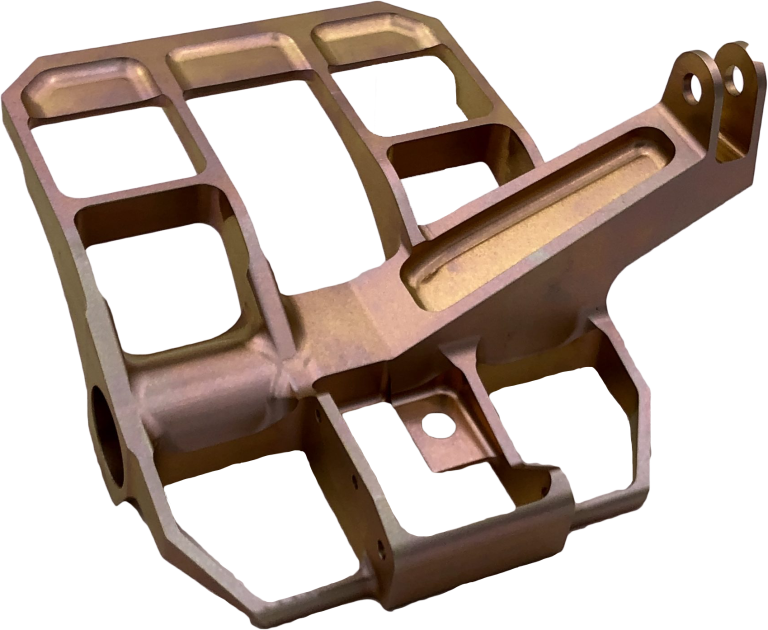
Strong production results depend on far more than whether a shop owns modern equipment. Reliable machining companies combine technical skill, disciplined processes, clear communication, and consistent quality control to produce parts that meet real operating demands. Buyers who understand the differences can compare providers with greater confidence and avoid costly delays, rejected components, and repeated redesign work. 1. Proven Experience With Complex Parts and Materials Experience shows how well a shop can handle difficult geometry, tight tolerances, and materials that react differently under heat and cutting pressure. Skilled teams know that aluminum, stainless steel, titanium, tool steel, plastics, and specialty alloys require different tooling, speeds, coolant strategies, and workholding methods. Familiarity with these differences helps prevent warping, chatter, rough finishes, and premature tool failure. Past projects also reveal whether a provider can solve problems instead of simply following a drawing. Capable machining companies review wall thickness, corner radii, hole depth, thread access, and inspection points before production begins, helping engineers catch designs that may be expensive or impractical to machine. 2. Equipment That Matches the Work Modern machines matter, but the right equipment matters more. Each shop offering CNC machining should have mills, lathes, inspection tools, and supporting systems suited to the size, shape, tolerance, and production volume of each component. Oversized equipment can waste time on small parts, while undersized machines may limit accuracy or access. Multi-axis capability can reduce setups for parts with angled faces, deep pockets, or features on several sides. Properly matched CNC services also improve repeatability because fewer repositioning steps mean fewer chances for alignment error between connected surfaces. 3. Quality Control Built Into Production Reliable shops inspect parts throughout the job rather than waiting until the final piece leaves the machine. First-article checks, in-process measurements, and final inspection reports help confirm that dimensions remain within tolerance as tools wear and temperatures change. Calibrated gauges, coordinate measuring machines, surface testers, and documented procedures give customers clearer proof of compliance. Established precision machining companies also trace materials, revisions, inspection records, and nonconformance actions so a problem can be identified and corrected quickly. Traceability becomes especially valuable for repeat orders, regulated industries, and assemblies with several matching components. 4. Clear Communication From Quote to Delivery Accurate communication often separates dependable providers from shops that create surprises. Detailed quotes should explain material, quantity, lead time, finishing, inspection, tooling, packaging, and any assumptions that affect price. Defined scope prevents disagreements over services that one side expected but the other never included. Responsive project managers keep customers informed when drawings need clarification or schedules change. Anyone searching for CNC machining near me or CNC services near me should look beyond distance and evaluate how quickly the company answers technical questions, confirms revisions, and reports progress. 5. Practical Design-for-Manufacturing Support Good machining services do more than cut metal. Experienced teams review designs for unnecessary complexity, hard-to-reach features, thin sections, sharp internal corners, and tolerances that add cost without improving function. Early feedback can reduce cycle time, tooling expense, scrap, and inspection difficulty. One capable custom machine shop may recommend a wider radius, a different stock size, a revised hole depth, or a more stable setup while preserving the part’s intended performance. Helpful suggestions should remain tied to function, so cost savings never weaken fit, strength, or service life. 6. Consistent Scheduling and Production Capacity Dependable delivery requires realistic planning, available machine time, trained staff, and backup options when equipment needs service. Shops that accept more work than they can manage may miss deadlines even when their machining skills are strong. Production systems should track materials, job status, outside finishing, inspection, and shipment dates. Companies comparing machining companies near me or machining services near me should ask how providers handle rush orders, repeat runs, supply delays, and unexpected downtime. Honest capacity planning gives buyers a more dependable date than an aggressive promise unsupported by the shop floor. 7. Long-Term Support After the First Order Strong supplier relationships continue after initial delivery. Stored programs, fixture records, inspection plans, and revision histories make repeat orders faster and help replacement parts match earlier production. Ongoing support also matters when a design changes, demand grows, or an assembly requires additional manufacturing steps. Amtec Solutions Group can support companies seeking dependable CNC services by combining precision machining, automated manufacturing knowledge, inspection, and production planning for complex parts used in robotics and other demanding industrial applications. Its capabilities reduce supplier handoffs while keeping technical requirements organized from planning through final delivery.

The Practical Side of Treating Plantar Fasciitis Beyond Home Remedies

0
Morning heel pain can turn simple routines into frustrating challenges long before the day truly begins. Although many people try home remedies first, persistent discomfort often signals a condition that deserves professional attention. Understanding how plantar fasciitis develops and how it affects everyday movement can help people make informed decisions before pain begins limiting work, exercise, and daily activities. What Really Happens Inside the Foot With Plantar Fasciitis? The plantar fascia is a thick band of connective tissue stretching from the heel bone to the front of the foot. It supports the arch, absorbs impact, and helps the foot function efficiently with every step. Repeated stress or excessive strain can create tiny tears within this tissue, leading to irritation and inflammation known as plantar fasciitis. Pain usually appears near the bottom of the heel because that area absorbs tremendous force during standing and walking. The discomfort often feels sharp with the first few steps after getting out of bed or standing after long periods of sitting. As the tissue warms up, symptoms may temporarily improve before returning later in the day after continued activity. Why Temporary Relief Does Not Always Solve the Problem Stretching, ice packs, massage balls, and over-the-counter pain relievers may reduce discomfort for a short time, but they do not always correct the mechanical issues causing repeated stress on the plantar fascia. If poor foot alignment, worn footwear, or abnormal walking patterns remain unchanged, irritation often returns even after symptoms briefly improve. Professional evaluation focuses on identifying the source rather than simply calming the pain. A plantar fasciitis doctor examines foot structure, walking mechanics, flexibility, activity levels, and overall function to determine why the tissue continues experiencing excessive strain. Treating the underlying cause often produces longer-lasting improvement than relying only on temporary symptom relief. Foot Mechanics Influence More Than Heel Discomfort The feet support the body’s entire weight with every movement, making small mechanical problems capable of affecting much more than the heel. Changes in walking patterns caused by plantar fasciitis may alter ankle motion, knee alignment, hip movement, and even lower back posture as the body naturally compensates for discomfort. Those compensation patterns sometimes create additional aches that seem unrelated to the original heel pain. People may notice soreness in the calves, knees, or hips without realizing the problem began in the foot. Addressing plantar fasciitis early often helps restore healthier movement throughout the lower body before secondary problems develop. Customized Support Often Outperforms Generic Inserts Store-bought arch supports can provide temporary comfort for some individuals, but every foot has its own shape, flexibility, and pressure distribution. Generic inserts cannot account for those differences, which means they may offer limited benefit depending on the source of the condition. A plantar fasciitis specialist evaluates how weight travels through the foot during standing and walking before recommending supportive solutions. Custom orthotics or specialized footwear recommendations distribute pressure more effectively while reducing repeated stress on the injured tissue. Better support encourages healing while making daily activities more comfortable. Activity Modification Helps Recovery Without Stopping Life Healing does not always require complete rest. In many cases, carefully adjusting daily activities allows people to remain active while reducing excessive strain on the plantar fascia. Small changes such as alternating high-impact exercise with lower-impact options or modifying standing routines often reduce repetitive stress without eliminating movement altogether. Workplace habits also deserve attention. Jobs requiring prolonged standing on hard surfaces place additional pressure on the heel throughout the day. Practical adjustments, supportive footwear, scheduled stretching breaks, and improved work ergonomics frequently become valuable parts of a comprehensive treatment approach. Modern Therapies Target Healing More Precisely Advances in podiatric care provide several treatment options beyond home care alone. Depending on the severity of the condition, a plantar fasciitis specialist may recommend physical therapy, targeted stretching programs, night splints, shockwave therapy, or other conservative treatments designed to improve healing while restoring normal foot function. Treatment plans rarely look identical from one patient to another. Age, activity level, occupation, foot structure, and the length of time symptoms have been present all influence the most appropriate course of care. Personalized treatment often leads to better outcomes than relying on generalized recommendations found online. Early Evaluation May Prevent Long-Term Limitations Persistent heel pain should never become something people simply learn to tolerate. Continuing normal activities despite ongoing inflammation can increase tissue stress and extend recovery time. Addressing symptoms earlier often allows simpler treatment options to produce better results before the condition becomes more difficult to manage. Professional evaluation also helps rule out other causes of heel pain that may resemble plantar fasciitis. Stress fractures, nerve conditions, tendon disorders, and inflammatory diseases sometimes produce similar symptoms but require different treatment approaches. Accurate diagnosis supports more effective care from the beginning. Professional Care Builds a Stronger Path Toward Lasting Relief Successful treatment combines accurate diagnosis, individualized care, supportive footwear, activity adjustments, and ongoing monitoring instead of depending on a single solution. Practical improvements in daily movement often become just as important as reducing pain because healthier foot mechanics help lower the chance of recurring symptoms in the future. Individuals searching for a trusted podiatrist Decatur AL, an experienced Decatur podiatrist, a knowledgeable plantar fasciitis doctor, or a dedicated plantar fasciitis specialist can benefit from comprehensive evaluation and personalized treatment at The Foot Clinic. By identifying the factors contributing to plantar fasciitis and developing care plans tailored to each patient’s lifestyle, The Foot Clinic helps people regain comfort, improve mobility, and return to everyday activities with greater confidence.

The Connection Between Organized Travel and RV Storage Units

0
Memorable road trips rarely happen by accident. Travelers who stay organized before, during, and after every journey usually spend less time solving unexpected problems and more time enjoying the destination. An organized storage plan keeps recreational vehicles protected, travel equipment easy to locate, and every new adventure ready to begin with far less stress. Planned Storage Habits Make Departure Days Far More Efficient Preparing for a trip becomes much easier when an RV already has a designated storage routine. Keeping equipment, leveling blocks, hoses, electrical adapters, tools, and outdoor furniture in consistent locations reduces the last-minute search that often delays departure. Organized RV storage units support that routine by providing one dependable location for the vehicle between adventures. Time savings continue after returning home. Instead of unloading everything into a crowded garage or driveway, travelers can return items directly to their assigned spaces inside the RV before placing it back into storage. Families searching for storage units near me often appreciate how organization simplifies every stage of future travel. Proper Unit Selection Protects Both the RV and Travel Equipment Not every recreational vehicle requires the same amount of storage space. Understanding RV storage units size helps owners select a space that accommodates slide-outs, mirrors, accessories, and overall vehicle dimensions without creating unnecessary crowding. Proper sizing also makes parking easier while reducing the chance of accidental damage. Selecting the right storage unit involves more than overall length. Owners should also consider:
  • Vehicle height, including rooftop equipment.
  • Width with mirrors or accessories installed.
  • Space needed for safe maneuvering.
  • Room to access storage compartments.
  • Future upgrades that may increase dimensions.
Reviewing these details before renting helps prevent costly changes later while making storage more convenient. Organized Packing Reduces Forgotten Supplies Between Trips Well-organized travelers develop packing systems that remain consistent from one trip to the next. Kitchen supplies, maintenance tools, emergency equipment, clothing, and camping accessories stay in designated locations, making it easier to verify that everything is ready before leaving. Organized RV storage units encourage those habits because the vehicle remains prepared even while parked. Packing lists also become much shorter over time. Instead of rebuilding supplies before every vacation, owners simply restock consumable items while leaving durable equipment stored inside the RV. That routine saves time and reduces unnecessary purchases throughout the camping season. Secure Parking Preserves Seasonal Travel Readiness Long periods without use can affect recreational vehicles if they remain exposed to unnecessary hazards or frequent movement. Storing an RV in a dedicated location helps owners maintain a consistent maintenance schedule while keeping the vehicle prepared for future trips instead of constantly relocating it between temporary parking spaces. Seasonal readiness also improves through routine inspections. Checking batteries, tire pressure, seals, fluids, and appliances during storage visits allows owners to identify maintenance needs before travel plans begin. Many RV storage unit benefits come from preventing problems rather than responding to them after they develop. Storage Capacity Planning Supports Larger Recreational Vehicles Today’s recreational vehicles vary significantly in length, height, and configuration. Understanding RV storage units capacity helps owners avoid selecting spaces that restrict access or make parking unnecessarily difficult. Larger motorhomes, fifth wheels, and travel trailers often require additional maneuvering room beyond simple length measurements. Capacity planning should also account for future needs. Owners upgrading to larger recreational vehicles may benefit from facilities offering flexible storage options instead of relocating later. Comparing available capacities before signing an agreement supports better long-term convenience. Important capacity considerations include:
  • Maximum vehicle length.
  • Turning clearance within drive aisles.
  • Vertical clearance for rooftop accessories.
  • Available space around parked vehicles.
  • Accessibility during peak travel seasons.
Evaluating these factors helps travelers select storage solutions that continue meeting their needs over time. Routine Maintenance Becomes Easier With Consistent Storage Access Organized storage creates opportunities for regular preventive maintenance instead of waiting until departure day. Owners can inspect roof seals, test electrical systems, clean interiors, check appliances, and prepare seasonal equipment during convenient visits rather than rushing through maintenance immediately before a scheduled trip. Consistent access also supports better record keeping. Maintenance logs, registration documents, warranty information, and repair receipts remain easier to organize when associated with a predictable storage location. Organized records simplify ownership while helping protect long-term vehicle value. Cleaner Storage Practices Extend Interior RV Condition Interior cleanliness influences more than appearance. Dust, moisture, food residue, and clutter can gradually affect upholstery, flooring, cabinetry, and appliances during storage periods. Simple cleaning routines performed before storing the RV help preserve interior finishes while reducing unpleasant odors between trips. Organized storage habits also discourage unnecessary accumulation of unused items. Periodically reviewing supplies allows travelers to remove outdated equipment, expired products, and duplicate gear that consume valuable storage space. A cleaner interior creates a more comfortable experience every time the next journey begins. Reliable Storage Supports Better Long-Term Travel Planning Travel planning becomes much easier when owners know exactly where their recreational vehicle is stored and how quickly it can be prepared for departure. Organized storage reduces uncertainty, supports preventive maintenance, and encourages consistent packing habits that save valuable time throughout the travel season. These practical advantages often prove just as valuable as the physical storage space itself. Travelers comparing RV storage units can benefit from choosing a provider focused on convenience and dependable access. Storage Partner offers storage solutions designed to help RV owners stay organized, protect their vehicles between adventures, and spend more time enjoying the open road instead of preparing for it.

Analyzing Shear Strength in Modular Extruded Aluminum T Slot Connections

0
Mechanical performance inside modular framing systems depends heavily on connection integrity rather than profile appearance alone. In industrial structures, automation cells, machine frames, and material handling systems, shear strength directly affects stability, load capacity, and long-term reliability. Understanding how forces travel through extruded aluminum T slot connections helps engineers and manufacturers design safer, stronger, and more efficient structural systems across modern operations. Connection Design Often Determines Whether A Structure Maintains Long-Term Stability Many modular structures fail at connection points rather than through profile collapse. Even strong framing profiles can lose rigidity when connectors experience excessive shear stress under repeated operational loading. Poor joint design may lead to fastener movement, frame shifting, or gradual alignment problems across production systems. For many engineers, MiniTec Aluminum Framing systems provide more predictable structural performance because the connection hardware is designed specifically for modular T slot extrusion assemblies. Properly engineered fasteners help distribute loads evenly throughout the structure while reducing stress concentration at individual joints. MiniTec extruded aluminum framing also supports scalable reinforcement strategies when additional rigidity becomes necessary for heavier industrial applications. Shear Forces Increase Rapidly In Dynamic Industrial Environments Static loads rarely create the biggest structural concern in modular framing systems. Dynamic forces generated by robotics, conveyors, machine vibration, acceleration, and repeated movement cycles place significantly higher stress on structural joints. Those operational forces constantly transfer energy through frame connections during daily production. In many automation systems, T slot aluminum extrusion structures must handle both vertical and lateral loading simultaneously. Engineers evaluating aluminum framing material often analyze operational vibration, machine acceleration, and repetitive movement patterns before selecting connection hardware. Extruded aluminum T slot systems that experience frequent directional changes typically require stronger fastening methods and additional reinforcement to maintain long-term connection stability under demanding industrial conditions. Fastener Selection Directly Affects Load Distribution Across Modular Frames Not all connection hardware performs equally under shear loading. The strength of a modular frame depends heavily on how effectively fasteners transfer force between adjoining profiles without creating excessive stress concentration at the joint itself. Weak hardware choices may reduce the overall structural capability of the system. Because of this, engineers using MiniTec extruded aluminum framing often prioritize fastener compatibility during frame development. T slot extrusion systems designed with appropriate anchor fasteners, joining plates, and gusset reinforcement distribute operational loads more evenly across the structure. Aluminum framing kit components also simplify the process of selecting connection hardware specifically engineered for the intended structural demands and operational environment. Joint Reinforcement Becomes Critical In High-Load Structural Zones Certain areas within modular structures naturally experience higher stress concentrations than others. Gantry supports, conveyor transitions, robotic arm mounts, and elevated load-bearing sections often generate increased shear force at connection points during operation. Those zones typically require additional structural attention during system design. Meanwhile, MiniTec Aluminum Framing systems allow engineers to strengthen high-load areas without redesigning the entire structure. T slot aluminum extrusion profiles support modular reinforcement methods such as gusset plates, corner brackets, dual-profile connections, and internal fastener systems. Extruded aluminum T slot designs also allow reinforcement upgrades later if operational loads increase beyond the original system requirements. Frame Geometry Plays A Major Role In Connection Performance Connection strength depends not only on hardware but also on overall frame geometry. Poorly balanced layouts can transfer unnecessary stress into specific joints, increasing the likelihood of fatigue-related movement or structural instability over time. Load direction and force distribution remain essential factors in modular structural analysis. For many industrial applications, aluminum framing material performs best when structural loads distribute evenly throughout the entire framework. Engineers designing with MiniTec extruded aluminum framing often focus on symmetrical layouts, balanced support spacing, and efficient load pathways to reduce concentrated shear stress. T slot extrusion systems with optimized geometry typically maintain stronger long-term performance under repetitive industrial operating conditions. Vibration Exposure Gradually Weakens Poorly Designed Connections Industrial equipment continuously generates vibration during operation. Over time, repeated vibration cycles can loosen improperly secured fasteners, reduce clamping force, and increase movement within modular framing systems. Even small amounts of connection movement may eventually affect alignment accuracy and structural reliability. In many production environments, T slot aluminum extrusion systems require periodic inspection to maintain connection integrity. Engineers working with MiniTec Aluminum Framing frequently incorporate locking hardware, reinforced fasteners, and vibration-resistant connection strategies into system designs. Aluminum framing kit systems built with proper vibration management techniques often maintain structural consistency far longer under continuous operational stress. Strong Modular Systems Depend On More Than Profile Strength Alone Structural reliability within modular framing systems comes from the combined performance of profiles, fasteners, geometry, reinforcement, and load management strategies. Focusing only on profile size without evaluating connection performance can create weaknesses that reduce long-term operational stability. Across industrial automation and manufacturing environments, MiniTec extruded aluminum framing continues gaining attention because it supports modular structural systems engineered for both flexibility and mechanical reliability. Proper shear strength analysis helps engineers build safer, more durable T slot extrusion structures capable of supporting demanding operational requirements without sacrificing adaptability or future scalability. Minitec Solutions provides modular aluminum framing material and connection solutions tailored for modern manufacturing and structural engineering environments.

How to Identify Controlled Unclassified Information in Your Workflow

0

A closer look at daily operations often reveals sensitive data hiding in plain sight. Teams handling federal work deal with information that carries different levels of responsibility, yet not all of it is clearly labeled. Spotting controlled unclassified information early helps organizations meet CMMC compliance requirements without confusion or delay.

Verify Document Markings for CUI or Controlled Classification Labels

Document markings offer the fastest signal that controlled unclassified information is present. Labels such as “CUI” or specific dissemination controls typically appear in headers, footers, or cover pages. Staff trained to recognize these indicators can quickly separate protected data from general files.

Absence of markings does not always mean data is safe to share, which is why teams must combine labeling checks with deeper review practices tied to CMMC requirements and internal data handling procedures.

Analyze Headers for Category Tags Aligned with Control Requirements

Headers often contain more than just titles; they may include category tags that define how information should be handled. These tags align with federal guidance and help classify data within systems and documents. Personnel reviewing files should understand how these tags connect to control expectations under CMMC compliance requirements.  Even subtle wording differences can signal a higher level of sensitivity, making header analysis an essential step for identifying controlled unclassified information within complex workflows.

Review Contract Clauses Referencing DFARS 252.204-7012 Compliance

Contract language frequently determines whether information qualifies as controlled unclassified information. Clauses referencing DFARS 252.204-7012 indicate that specific safeguarding rules apply to data created or handled under that agreement. Legal and compliance teams must examine these sections carefully to understand obligations tied to each project. Overlooking contract terms can result in misclassification, which becomes a common issue identified during an up close look at the CMMC and related compliance evaluations.

Confirm Alignment with NIST SP 800-171 Safeguarding Standards

Alignment with NIST SP 800-171 provides a clear indicator that information falls under controlled unclassified information requirements. This framework outlines security measures that apply only to sensitive data categories. Systems storing or processing such data typically include controls like encryption, access monitoring, and incident response protocols. Reviewing whether these safeguards are in place helps confirm classification and ensures readiness for CMMC compliance requirements tied to higher certification levels.

Trace Data Provenance to Establish Federal Source Attribution

Understanding where data originates plays a key role in identifying its classification. Information provided directly by a federal agency or generated through contract work often carries obligations tied to controlled unclassified information. Tracing data back to its source helps determine whether it falls under federal protection standards. Organizations that maintain clear data lineage records find it easier to meet CMMC requirements and avoid confusion during audits or internal reviews.

Determine If Content Was Generated Under Federal Contract Scope

Work produced within the scope of a federal contract may automatically qualify as controlled unclassified information depending on its purpose and use. Project deliverables, internal reports, and technical outputs often fall into this category. Teams should evaluate whether the content was created to fulfill contract obligations or support government operations. This distinction helps ensure proper handling and reduces the risk of treating sensitive data as general business information during daily workflows.

Assess Enforced Access Controls and User Authorization Limits

Access restrictions provide strong clues about the sensitivity of information within a system. Files limited to specific users or requiring multi-factor authentication often indicate controlled unclassified information. Reviewing permission structures helps confirm whether data requires additional safeguards under CMMC compliance requirements. Systems designed with strict authorization levels reflect a higher classification standard, which aligns with expectations uncovered during an up close look at the CMMC framework.

Evaluate Dissemination Restrictions and Non-public Status Criteria

Distribution limits reveal whether information is intended for restricted use. Controlled unclassified information typically includes instructions that prevent sharing outside approved channels. These restrictions may appear in policy documents, contract terms, or embedded notices within files. Evaluating how data can be shared helps determine its classification and ensures proper handling. MAD Security assists organizations in identifying these patterns, strengthening workflows, and aligning processes with evolving CMMC requirements for secure and compliant operations.

Mastering the iGaming Landscape: The Power of Strategic Casino Software Solutions

0

The world of iGaming globally has witnessed an upheaval, and this upheaval has been caused by a perfect storm of technological advancements, high-speed internet penetration, and an audience that is demanding high-fidelity entertainment on the move. For an operator that seeks to carve out a profitable market position in the highly competitive world of iGaming, the choice of platform is no longer merely an afterthought it is the very basis on which their business model is built. The modern-day Casino Software Solutions provider is called upon to offer far more than merely games, and they are required to offer a system that is not only highly scalable and secure but also one that is hyper-personalized in nature. This has led to the development of an “intelligent” system that uses the power of artificial intelligence in its decision-making processes.

In the current competitive environment, the “one size fits all” approach is no longer relevant. What is required is deep personalization. What makes an online casino business successful is the ability of the operator to deliver localized content, integrate multiple payment options including the emerging cryptocurrency market and navigate the complex world of regulatory requirements in multiple jurisdictions across the globe.

To meet these challenges, the innovators in the field of casino software development are concentrating on delivering modular solutions that meet specific business needs. Whether the need is for a white-label solution for speed to market, a Turnkey solution for increased flexibility, or a Bespoke solution for 100% IP ownership, the focus is on delivering a future-proof solution. These state-of-the-art solutions are designed using a mobile-first philosophy to deliver a seamless user experience across all platforms. Additionally, they are designed using sophisticated iGaming PAM solutions to deliver total transparency and control for the operator over their entire ecosystem.

Inside the Tech: Critical Questions for Modern Casino Operators

  1. What is the direct impact of AI-based tools such as LTV Segmentation and Deposit Forecasting on the business?

In the modern age, the single most valuable asset that any operator possesses is their data. Advanced AI technologies, as part of the very best software solutions, allow operators to shift from a reactive approach to a proactive one. Lifetime Value Segmentation allows operators to use machine-learning-based classification of their players into high, medium, and low value based on their behavior patterns. This allows operators to use highly segmented and targeted approaches to loyalty marketing that maximize the effectiveness of their marketing budgets. In the same way, Deposit Forecasting allows operators to better understand the future trends of their revenue, thereby optimizing their budgets and promotional campaigns.

  1. What are the security benefits that an online casino will derive from the use of geofencing and anti-fraud engines?

Doing business in a global environment entails a multitude of legal and security hurdles. Geofencing is an important legal compliance mechanism for online casinos that utilizes geolocation technology to restrict access to users from restricted territories. This ensures that the online casinos are not vulnerable to legal sanctions. With respect to security, Anti-Fraud engines monitor the activities of users in real-time to detect and prevent any suspicious activities. When these are combined with high-grade SSL encryption and certified RNGs (Random Number Generators), a “fortress” environment is created. This is not just important for the security of financial assets, but for fostering a sense of trust with users that will be critical for building long-term loyalty.

  1. Why is the integration of an iGaming PAM (Player Account Management) system considered the “backbone” of a casino solution?

An online casino is a multi-faceted business with many moving parts. An iGaming PAM system serves as the central nervous system that connects all these moving parts. An iGaming PAM system offers a single unified admin dashboard with access to critical tools such as a CMS (Content Management), CRM (Customer Relationship Management), and business intelligence tools. With a strong PAM system, a casino can make real-time changes to the wallet, process transactions across multiple currencies, and integrate with 3rd parties. This means that for a casino, a PAM system offers a single source of truth for all player information. This is critical for a business to make informed decisions to help the business grow.

  1. What value does a multi-tenant architecture bring to operators with multiple casino brands to manage?

For many established gaming groups, the key to efficiency is found in centralization. A multi-tenant architecture allows the operator to manage multiple distinct casino brands, each with their own unique front end design, language settings, and regional themes, from a unified backend. This is a huge time saver. You can manage your own user databases and payment settings for each brand, but do it all from one interface. This is particularly important as it allows the operator to quickly move into a new market or launch a niche brand, such as a Crypto or Social only casino, as the technical groundwork is already laid.

  1. What are the differences between Turnkey and White Label solutions with regard to ownership and speed to market?

This is an important decision for any new business. Clearly, if speed to market is the priority, then the White Label solution will deliver this in the quickest time, typically weeks. However, this will come with the compromise of shared ownership and increased revenue share agreements with the provider.

Turnkey solutions, however, are a “middle-ground” option with “high flexibility.” Although this may be slightly longer to deploy (typically 4-5 weeks), this solution gives the operator much more ownership of the IP and much lower revenue share agreements with the provider. In addition, Turnkey solutions allow for “on-demand” customization, which means the operator can customize the solution to meet their individual business agenda. If total control and scalability are the ultimate objective, then choosing a provider that can deliver 100% IP transfer may be the most valuable investment for the future.

Conclusion

To successfully maneuver the intricacies of the iGaming industry, it is not just about having a passion for gaming, but about working with a technology company that understands the global arena. The basis of a successful brand is built on the foundation of a casino software platform that is not only reliable and secure but also able to evolve with the next big thing in the industry, whether it is the emergence of crypto-gambling, the implementation of social media integration, or the utilization of AI player protection tools. By working with the crème of the crop of Casino Software Solutions providers, operators can be assured of having the tools they need to not only entice the player but also run the business with efficiency.

The future of gaming is, therefore, mobile-centric and data-centric. From the initial stages of requirement collection to the final stages of deployment, every step needs to be technically correct. Whether you are looking to launch a new startup or grow an existing empire, the key remains the same: to provide an exciting gaming experience that is also fair and transparent. With the help of the right technology stack, including a feature-rich PAM solution, sophisticated anti-fraud capabilities, and a wide range of game genres, you can achieve your dream of a high-performance reality. In a competitive business such as gaming, your software is not just an enabler; it is your lifeblood.

Bold and Blue: The Timeless Appeal of Lab-Grown Blue Sapphire Rings

0

There is something undeniably captivating about a deep blue gemstone. Unlike the traditional white sparkle of a diamond, a blue sapphire carries depth, personality, and a sense of quiet confidence. For those seeking a ring that feels both timeless and distinctive, lab-grown blue sapphires offer a refined alternative combining heritage-inspired beauty with modern craftsmanship.

Among the most sought-after collections in this space are Lily Arkwright blue sapphire rings, which bring together ethical sourcing, exceptional cut quality, and elegant British design. These rings are not simply colourful variations of classic styles; they are carefully curated pieces that celebrate the sapphire’s natural drama while maintaining a sophisticated, wearable aesthetic.

The Allure of the Blue Sapphire

Blue sapphires have long symbolised wisdom, loyalty, and enduring love. Their rich hue ranges from velvety midnight tones to brighter royal blues, allowing wearers to choose a shade that reflects their personal style. A darker stone can feel regal and dramatic, especially in evening settings, while a lighter blue may appear fresh and luminous in natural daylight.

Choosing a sapphire over a diamond is rarely about cost alone. It is often about character. The depth of colour gives the centre stone a presence that feels deliberate rather than conventional. For someone who prefers individuality over tradition, a blue sapphire engagement ring makes a subtle yet powerful statement.

Lab-grown sapphires retain the same physical, chemical, and optical properties as mined stones. The difference lies in origin, not beauty. This means clients can enjoy remarkable colour saturation and clarity while making a considered choice aligned with modern values.

Craftsmanship and Design Details That Matter

A sapphire’s colour is only part of the story. Cut plays an equally vital role. An expertly cut lab-grown sapphire enhances light reflection within the stone, preventing it from appearing overly dark or flat. Oval and cushion cuts, for example, tend to emphasise depth and elongation, while round brilliant cuts maximise sparkle and symmetry.

Setting style also shapes the overall impression. A halo of lab-grown diamonds can frame the sapphire, intensifying its colour contrast and creating a more luminous effect. Alternatively, a simple solitaire setting allows the gemstone to stand confidently on its own, highlighting its rich tone without distraction.

Metal choice further refines the look. Platinum and white gold emphasise the cool elegance of blue, while yellow gold introduces warmth and a subtle vintage charm. The combination you choose often reflects how you intend to wear the ring whether as a daily signature piece or a statement heirloom.

Why Lab-Grown Makes Sense for Modern Buyers

Today’s jewellery clients are increasingly informed and intentional. Lab-grown blue sapphire rings appeal not only for their beauty but for their traceability and responsible production. The controlled growing process ensures consistent quality, often resulting in fewer inclusions and more uniform colour distribution.

There is also a practical consideration. A lab-grown sapphire can allow you to select a slightly larger carat weight without compromising on quality. For example, moving from a 1-carat to a 2-carat stone significantly enhances visual impact, particularly with a coloured gemstone, as the depth of blue becomes more pronounced. This choice is less about size alone and more about the balance between proportion, finger coverage, and personal style.

Durability is another advantage. With a hardness second only to diamonds, sapphires are well-suited for everyday wear, making them ideal for engagement rings that must withstand daily life without losing their brilliance.

Styling a Blue Sapphire Ring with Confidence

Blue sapphires pair beautifully with both classic and contemporary wardrobes. Their rich tone complements neutral palettes black, ivory, grey while also standing out against softer hues like blush or powder blue.

For a cohesive bridal look, consider matching sapphire accents in earrings or a delicate pendant. Alternatively, allow the ring to remain the focal point by keeping other jewellery minimal. Its colour naturally draws the eye, so simplicity often enhances its impact.

Because blue is both bold and versatile, it transitions seamlessly from day to evening. A well-chosen lab-grown sapphire ring feels just as appropriate in a professional setting as it does at a formal celebration.

Final Thought

Lab-grown blue sapphire rings offer a compelling blend of tradition and modernity. They honour the timeless symbolism of the sapphire while embracing contemporary standards of quality and responsibility. For those who value individuality, depth of colour, and thoughtful design, a blue sapphire ring is more than a beautiful accessory; it is a lasting expression of personal style and intention.


Digital Tools for Skilled Nursing Facilities Actually Making Life Easier, or Just Adding More Screens to Stare At?

0

Introduction

I once spoke to a nurse (okay, it was a long comment thread on LinkedIn at 1 a.m.) who said she didn’t mind long shifts, but the paperwork after? That was the real soul-sucker. This is where digital tools for skilled nursing facilities quietly walk in and try to act like heroes. Instead of chasing files, updating charts manually, or wondering who last touched a patient record, everything sits in one place. Not magically perfect, but way better than folders that go missing like socks in a washing machine.

Electronic health records sound boring, but they save time

Let’s be honest, EHRs don’t sound exciting. No one wakes up thinking, wow, can’t wait to log patient vitals today. But they’re kind of like Google Maps for patient care. You don’t realize how useful they are until you imagine going back to printed directions. Doctors, nurses, even admin staff can see updates in real time. One small change in medication gets logged once, not repeated on five forms. Less confusion, fewer who changed this? moments.

Staff scheduling tools that don’t make everyone angry

If you’ve ever tried scheduling shifts manually, you know it’s like playing Tetris while people keep changing the rules. Someone’s sick, someone wants a swap, someone forgot they had a wedding. Digital scheduling tools are surprisingly helpful here. They don’t fix human drama (nothing can), but they reduce mistakes. Notifications go out instantly. Overtime tracking becomes clearer. And yes, fewer passive-aggressive WhatsApp messages at midnight.

Remote monitoring feels futuristic but it’s already normal

This one used to sound like sci-fi. Sensors, wearables, alerts popping up on dashboards. But remote monitoring is already common in digital tools for skilled nursing facilities. Things like fall detection or vital tracking mean staff don’t need to physically check every patient every hour. Think of it like a baby monitor, but for adults who deserve dignity and safety. Some nurses online say it reduces panic because issues are flagged early, not after something goes wrong.

Family communication tools reduce awkward phone calls

This part doesn’t get talked about enough. Families worry. A lot. And calling the facility five times a day doesn’t help anyone. Digital portals or messaging tools let families see updates, care plans, or even photos from activities. It builds trust. I’ve seen comments on Facebook where relatives say they finally feel in the loop instead of guessing. Less tension, fewer angry calls, and staff can focus on actual care.

The hidden cost no one admits out loud

Okay, small reality check. Digital tools aren’t cheap, and learning them can be annoying at first. I’ve seen staff roll their eyes at another system being introduced. Training takes time. Older staff sometimes struggle, and that’s a real thing. But long-term? It’s like switching from a keypad phone to a smartphone. Painful for a week, then you can’t imagine going back. The facilities that adapt faster usually see better staff retention, which says a lot.

Conclusion

Scroll through healthcare Twitter or Reddit threads and you’ll notice the tone shifting. Less technology is ruining healthcare and more this tool actually saved us time. Burnout is still real, but digital tools for skilled nursing facilities are at least removing some unnecessary friction. They won’t replace human care (thankfully), but they do make the system breathe a little easier.

Online Vocal Training Actually Worth Your Time or Just Another Trend?

0

Introduction

I remember scrolling through Instagram reels and seeing people hit these insane notes, all thanks to apps or Zoom lessons. It’s crazy convenient too. You don’t have to fight traffic, wake up early for a studio, or deal with that one teacher who makes you feel like tone-deaf is a crime. People are sharing their progress online too, which makes it feel like a little social experiment—like, Hey, can I actually learn to sing Beyoncé from my bedroom? And apparently, the answer is yes… sometimes.

How Online Lessons Actually Work

So here’s the deal: most online vocal training isn’t just staring at a screen and hoping for the best. You usually get video lessons, exercises for breath control, pitch, and even ear training. Some platforms use AI to check if your notes are on point—think of it like having a robot coach that won’t yell at you for missing a note. But here’s the funny part: I tried one of these apps once, and it told me my pitch was slightly off when I was feeling like Mariah Carey in the shower. So yeah, AI is helpful, but it’s not perfect, and honestly, human feedback still wins when you want nuance.

The Benefits You Probably Didn’t Expect

Most people jump into online vocal training thinking, I just wanna hit high notes, but the benefits sneak up on you. Your breathing improves, which is secretly great for dealing with stress (who knew singing could be a mental health hack?). Also, I noticed that after a couple of weeks, I was paying attention to lyrics more—like actually feeling the song instead of just humming along. And the cherry on top? You get to record yourself and actually hear your mistakes instead of guessing if you’re good. It’s like having a daily mirror for your voice, only less scary than staring at your reflection and wondering why you still have pizza breath at 2 PM.

The Social Side of Online Vocal Training

Something people don’t talk about much is the community online. You can join Facebook groups, Discord channels, even Reddit threads where folks share struggles and wins. Someone posted a video last week of them going from off-key croaks to a legit performance in three months—people were cheering like it was a World Cup win. It’s motivating, sure, but also humbling. You see others’ progress, and it makes you want to keep at it. Plus, it’s kinda funny seeing adults over 30 acting like kids in a karaoke challenge online—totally relatable.

Conclusion

Here’s the catch: online vocal training isn’t a magic pill. You need discipline, headphones that don’t make you sound like a robot, and patience for your own awkward phase (trust me, everyone has it). But if you stick with it, it’s flexible, fun, and honestly cheaper than in-person lessons that might require gas money or overpriced coffee during breaks. My advice? Pick a platform, commit to 20 minutes a day, and just enjoy the weird little journey of your voice improving. You might not hit Mariah-level high notes overnight, but you’ll notice progress—and that’s way cooler than pretending you can sing in the shower without judgment.