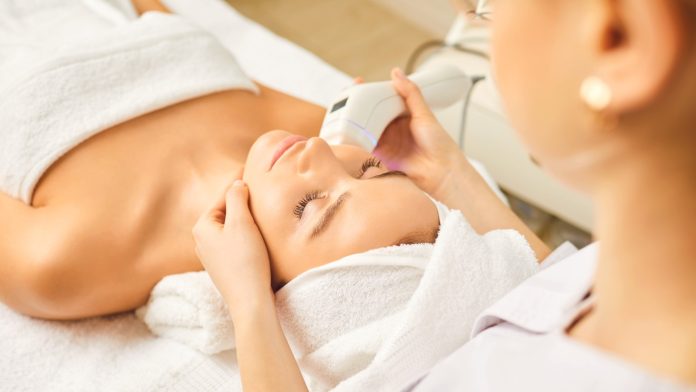


The healthcare landscape is constantly evolving, and cosmetic dermatology has emerged as one of the most sought-after fields in modern medical practice. With the increasing demand for non-invasive aesthetic treatments, medical professionals are now expanding their skill set to offer cosmetic procedures alongside traditional healthcare services.
For doctors, dentists, and healthcare practitioners, cosmetic dermatology training not only enhances patient care but also opens doors to new revenue streams and career growth. Let’s explore how investing in aesthetic training can transform your medical practice.
Why Cosmetic Dermatology Matters in Modern Practice
Cosmetic dermatology focuses on enhancing the appearance of skin, hair, and nails through non-surgical treatments. From anti-aging solutions to scar management, these procedures cater to patients seeking confidence-boosting results without downtime.
Key services include:
✅ Botox and Dermal Fillers: To reduce wrinkles and restore facial volume.
✅ Chemical Peels: For skin rejuvenation and acne management.
✅ Laser Treatments: For hair removal, pigmentation, and skin resurfacing.
✅ Platelet-Rich Plasma (PRP): For hair regrowth and skin rejuvenation.
✅ Body Contouring: Non-invasive fat reduction and skin tightening.
According to market research, the global aesthetic medicine market is projected to grow at a CAGR of 10.4% between 2023 and 2028.
This growing demand offers medical professionals an opportunity to expand their services while enhancing patient satisfaction.
How Cosmetic Dermatology Training Benefits Medical Practitioners
1. Expand Your Service Offerings
Adding aesthetic treatments to your practice allows you to cater to a broader patient base. Whether you’re a general practitioner, gynecologist, or dentist, offering cosmetic procedures enhances your service portfolio, making your practice a one-stop destination for both medical and aesthetic needs.
For example:
- A GP can offer skin rejuvenation alongside routine health checkups.
- A dentist can provide facial aesthetics like Botox for smile enhancement.
- A gynecologist can add aesthetic gynecology services.
2. Boost Patient Satisfaction and Retention
Patients appreciate comprehensive care, and cosmetic treatments allow you to address both health and aesthetic concerns. Personalized consultations, combined with aesthetic solutions, build trust and loyalty, encouraging patients to return for follow-ups and additional services.
A satisfied patient is more likely to refer others, boosting word-of-mouth marketing for your practice.
3. Increase Revenue Streams
Aesthetic procedures are typically elective and cash-based, meaning they aren’t reliant on insurance reimbursements. This direct payment model increases profit margins while diversifying income sources.
For example:
- A Botox session can range from ₹8,000 to ₹20,000, depending on the treatment area.
- Laser hair removal packages can generate ₹20,000 to ₹50,000 per patient over multiple sessions.
Offering cosmetic services can significantly boost your practice’s overall revenue.
4. Stay Ahead in a Competitive Market
As more patients seek aesthetic treatments, practitioners offering cosmetic services stand out from competitors. Advanced training in cosmetic dermatology not only enhances your skills but also establishes you as an expert in a high-demand field.
Practices with cosmetic services often attract more patients than those offering only traditional care.
5. Improve Professional Satisfaction
Practicing aesthetic medicine combines medical expertise with artistic skill, providing practitioners with creative satisfaction. Witnessing patients’ confidence transformations can be personally fulfilling, making your medical practice more rewarding.
Many doctors find aesthetic treatments less stressful than traditional clinical work, enhancing work-life balance.
Key Treatments to Master in Cosmetic Dermatology
To successfully integrate aesthetic services into your practice, it’s essential to master the most popular and in-demand treatments, including:
Botulinum Toxin (Botox): For wrinkle reduction and facial rejuvenation.
Dermal Fillers: For facial contouring and volume restoration.
Chemical Peels: For skin resurfacing and pigmentation correction.
Laser Treatments: For hair removal, scar reduction, and skin tightening.
PRP Therapy: For hair growth and skin rejuvenation.
Body Contouring: For non-surgical fat reduction and skin firming.
Final Thoughts: Elevate Your Practice with Cosmetic Dermatology
Cosmetic dermatology training isn’t just about adding services—it’s about enhancing patient care, increasing practice revenue, and staying ahead in an evolving healthcare landscape.
By mastering aesthetic treatments, you can:
✅ Expand your professional expertise.
✅ Offer personalized, high-demand services.
✅ Build a thriving practice with satisfied patients.
Information Provided by IBDermat
The International Board of Cosmetic Dermatologists (IBDermat) is a leader in aesthetic medicine education, offering advanced training through its “Board Certified Cosmetic Dermatology Course.” Designed for both new and experienced professionals, this expert-led program emphasizes practical skills and hands-on experience, preparing participants to excel in the dynamic field of cosmetic dermatology. By combining theoretical knowledge with real-world applications, IBDermat ensures that practitioners gain the confidence and competence needed to deliver high-quality aesthetic treatments.